I Spent Two Years Hiding Under Hats and Angling My Head in Every Photo — Then I Found a Reddit Thread at 2AM That Changed Everything

I'll never forget the photo.
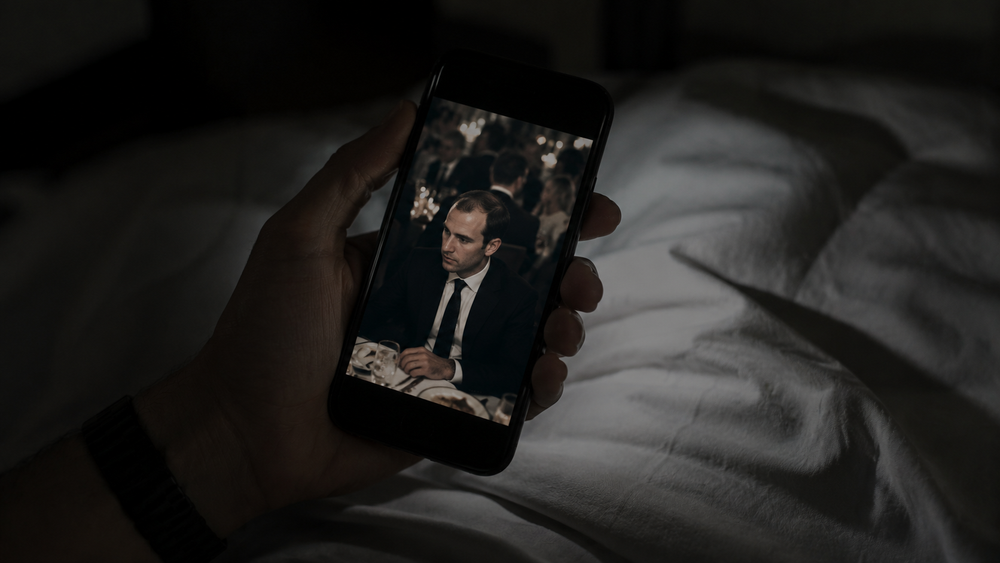
It was my cousin's wedding. Flash on. Taken from slightly above, the way people hold their phones when they're standing while you're sitting.
I scrolled past it once. Then I scrolled back.
It wasn't the guy I saw in the mirror every morning. My temples had moved back about an inch I'd never noticed. My crown — under that overhead reception lighting — looked thinner than I'd ever let myself believe.
I'm 33. I lift four days a week. I've never smoked, I sleep eight hours, and on paper I'm in better shape than I was at 25.
But in that photo, I looked 45.
The dermatologist barely looked at my scalp.
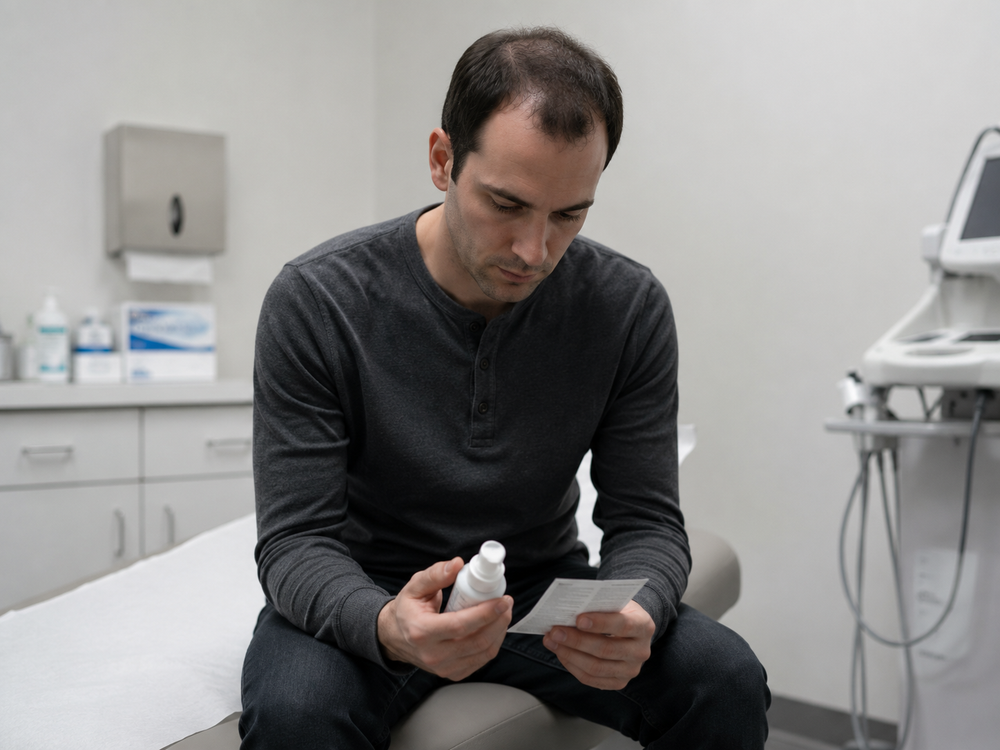
I made an appointment three days later. I sat in the chair for 90 minutes waiting. When she finally came in, she ran her fingers through my hair for maybe 12 seconds, looked at my crown, and said the thing every guy in this situation has heard:
"It's male pattern baldness. Genetics. You can try Minoxidil. Or Finasteride if you're brave. Otherwise, we can talk about a transplant when you're ready."
That was it.
She handed me a sample of foam and a prescription pad and walked out.
Just genetics.
Like it wasn't already the only thing I'd thought about for three months. Like she hadn't just sent me out the door with the same three options every guy has been offered for the last twenty years, in the same dismissive tone.
But here's what she didn't tell me:
Minoxidil leaves your hair looking greasy by 11AM. You have to apply it twice a day for the rest of your life. The one time I forgot to bring it on a work trip, I shed for two weeks straight when I got home.
Finasteride? I read every study. I sat at my kitchen table with that prescription in front of me for a week. I couldn't do it. The sexual side effects are rare — but they're real, and at 33, with a fiancée I was planning to spend the rest of my life with, I wasn't willing to roll those dice.
A transplant? I got a quote: $11,400. Six months of recovery. No guarantee it would look natural — I've seen the bad ones, the ones where the hairline is drawn on with a Sharpie.
But the worst part?
I started living around my hair.
I had a "good lighting" restaurant and a "bad lighting" restaurant.
I had photo angles I'd let people take and angles I wouldn't.
I started wearing a hat to the gym. Then to the grocery store. Then to my own house.
I stopped letting my fiancée take pictures of me from above.
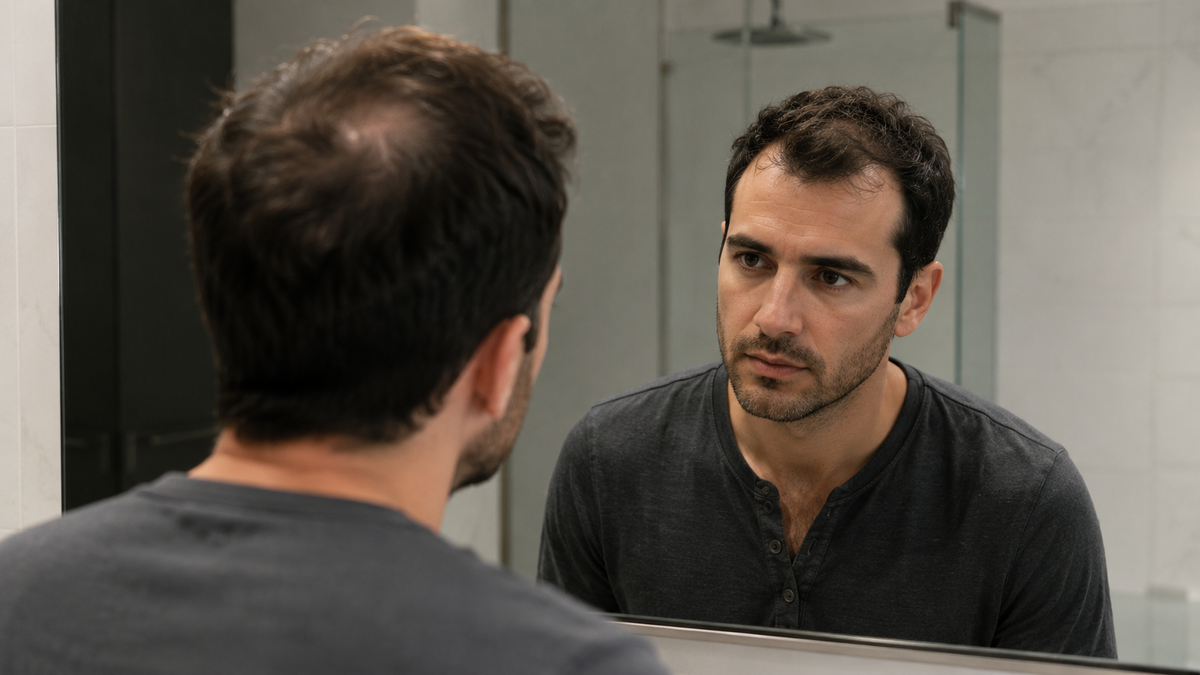
I checked my hairline in every reflective surface I walked past — windows, car mirrors, the back of my iPhone — sometimes thirty or forty times a day without even realizing I was doing it.
I went from being a guy who didn't think about his appearance to a guy who thought about almost nothing else.
So at 2AM, I did what every guy in this situation does:
I went down a Google rabbit hole.
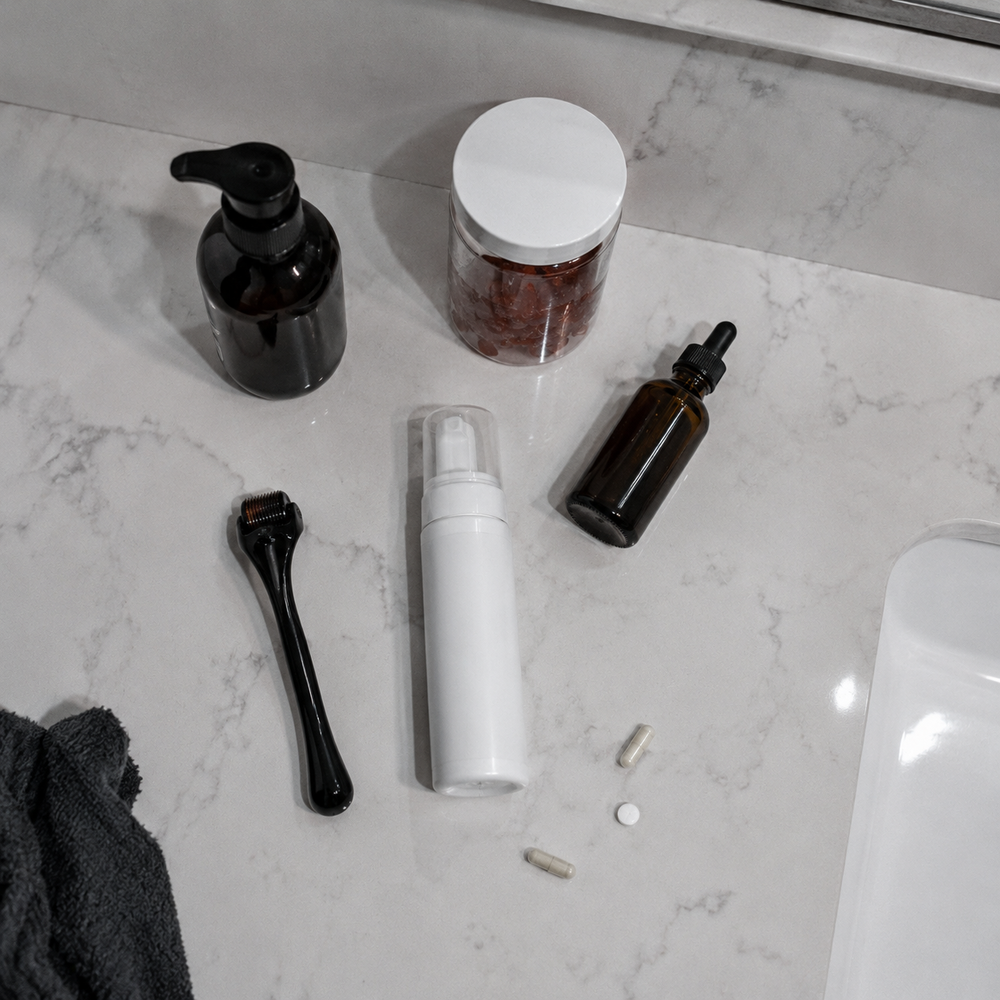
I joined r/tressless. I read HairLossTalk threads from 2014. I watched YouTube videos of guys with sub-200 subscribers showing off their three-year transplant journeys. I bought biotin gummies, rosemary oil, "DHT-blocking" shampoo, and a microneedling roller that I used twice before deciding it was the most painful and pointless thing I'd ever done to myself.
I spent maybe $600 over a year on stuff that did nothing.
Nothing helped. Nothing made sense.

Until I found a thread in r/tressless.
The thread was titled: "For guys who tried everything — what actually worked?"
I scrolled through pages of replies from guys exactly like me:
- "I've been on Min for 8 months. My pillow looks like a wig store every morning and my hair is greasy 24/7. I'm about to quit."
- "Started Fin at 28. Libido tanked within 3 months. Quit. Hair came back worse than before."
- "Got a quote for a transplant. $9k for a basic FUE. Felt like I was being shaken down."
Then I saw this reply:
"Look up LLLT. Red light therapy caps. It's been FDA-cleared for hair loss for over a decade, it's been used in dermatology clinics for years, and nobody talks about it because there's no drug rep pushing it. I've been using one for 14 months. My crown stopped thinning. My hairline is the same as it was at 25. No drugs, no greasy scalp, no clinic visits. Wish I'd done it five years ago."
I almost scrolled past it. I'm not a biohacker. I've seen the bro-science ads on Instagram — the red lights, the "follicle awakening," the supplement stacks. I was skeptical.
But then I saw the replies underneath:
- "Same. Been using one for 2 years stacked with topical Min. Best results of my life. Wish I'd skipped the Min entirely tbh."
- "My derm actually recommended this before she prescribed me Finasteride. The medical-grade ones at her clinic were $1,500."
- "Why is this so much cheaper than what my dermatologist quoted me for the in-clinic treatment? Same exact wavelength."
- "I've had hair loss for 12 years and this is the only thing besides Fin that actually moved the needle for me — without the side effects."
These weren't paid testimonials. These weren't dropshipper review-farms. These were guys in the same Reddit thread I was in, at 2AM, also desperate for an answer.
Then I clicked on THIS.
It was called Lumira.
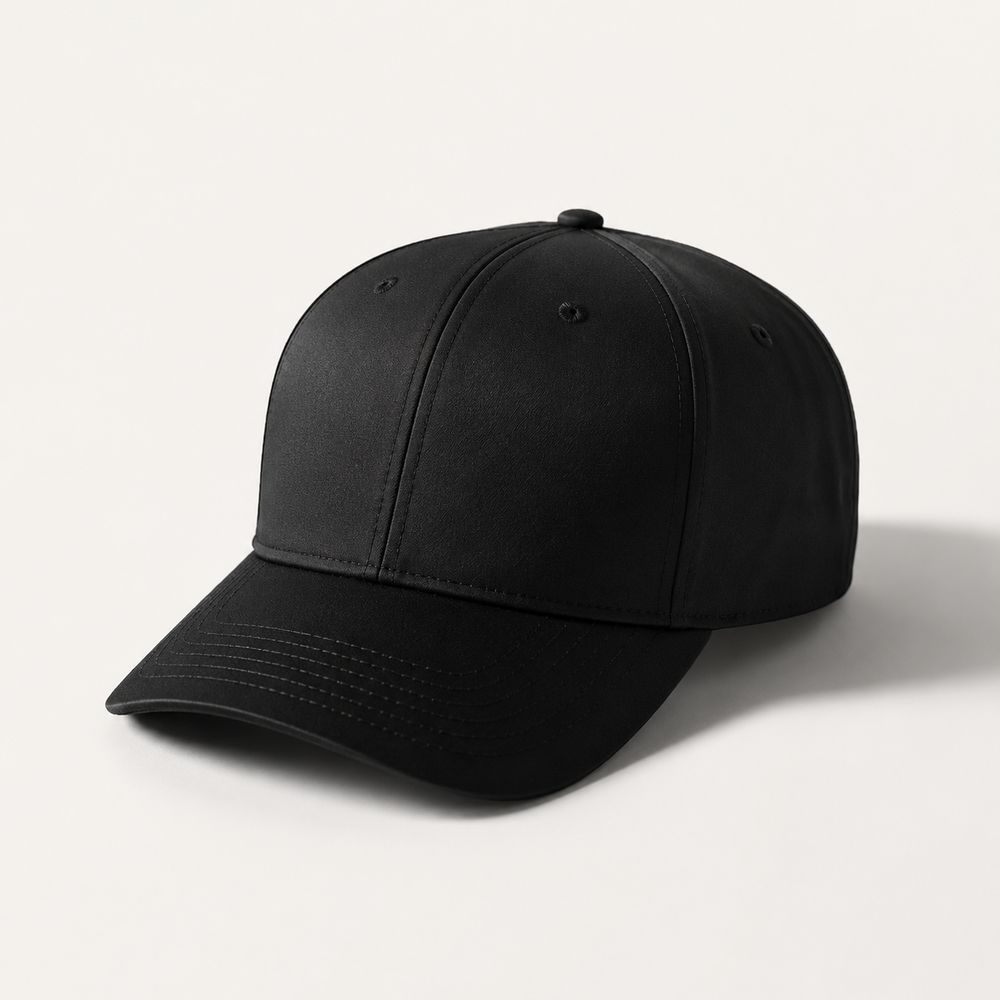
Here's what caught my attention:
- ✅ 272 medical-grade red light diodes — the same clinical strength used in $1,500 dermatology caps
- ✅ FDA-cleared 650nm wavelength — the most-studied frequency for hair growth in published research
- ✅ Wear-and-forget design — 30 minutes, 3x a week, while you work, read, drive, or watch TV
- ✅ No drugs, no prescription, no clinic, no side effects
- ✅ Same technology as the $1,500 medical-grade caps — for under $100
But here's what sold me:
You don't have to put gunk in your hair twice a day for the rest of your life and hope it works.
You don't have to take a pill that might mess with your libido.
You don't have to pay eleven grand to a hair surgeon in a strip mall.
You put a cap on for 30 minutes, three times a week, while you're doing literally anything else — and your follicles do the rest.
For a guy who'd been living in the constant background dread of "is it worse this morning?" — that was everything.
I ordered one that night.
Not because I'm gullible. Because I was tired, and they had a 7-month money-back guarantee.
I figured: What do I have to lose besides another year of wearing hats?
It arrived three days later.
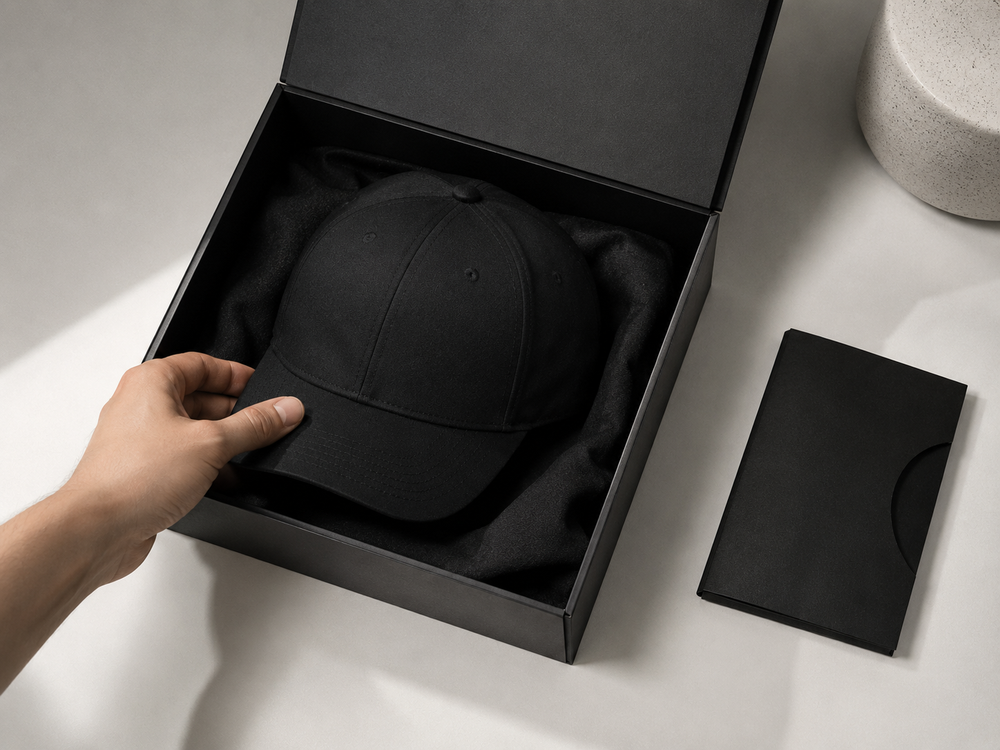
The box was nicer than I expected. Honestly, nicer than my AirPods packaging. The cap itself looked like a regular black snapback — the kind I was already wearing every day to hide what was happening underneath it.
I put it on. Pressed the button. Sat down at my desk and answered emails for 30 minutes.
That was it.
I felt nothing. No warmth, no tingling, no weird sensation. It was almost anticlimactic. I almost wondered if I'd been scammed.

But here's the thing about hair growth — it doesn't happen overnight.
It happens in your shower drain six weeks from now. It happens in a photo someone takes of you at your sister's birthday in four months. It happens at the barber chair when the guy who cuts your hair stops and asks what you're doing differently.
You don't see it happen. You see that it happened.
Here's what happened over the next 8 months:
Week 1: I put it on three times. Felt nothing. Almost forgot to keep using it. Set a calendar reminder so I wouldn't.
Weeks 3-6: First sign — my pillowcase didn't look like a crime scene anymore. I didn't notice the day it happened. I noticed one morning when I realized I'd forgotten to be anxious about it.
Months 2-4: Existing hair started looking thicker. My fiancée said something offhand about a photo — "your hair looks nice in this one" — and I went and looked at it and realized she was right.
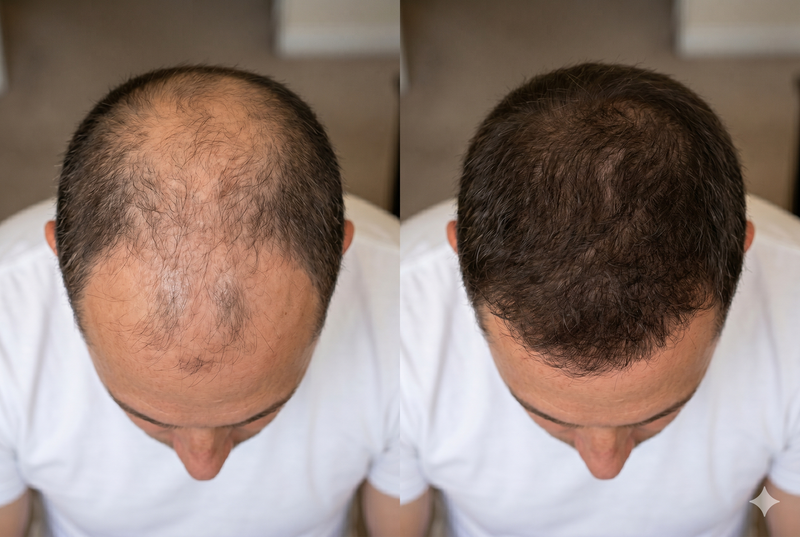
Month 6: New growth at my temples and crown. Not dramatic. But unmistakable. The first time I'd seen my hairline move forward in six years.
Now (Month 8): I still use it three times a week, mostly while I'm working. I don't wear hats every day anymore. I don't check my hairline in every reflective surface. I don't avoid overhead lighting at restaurants.
That constant background noise of "is it worse?" — it's gone.
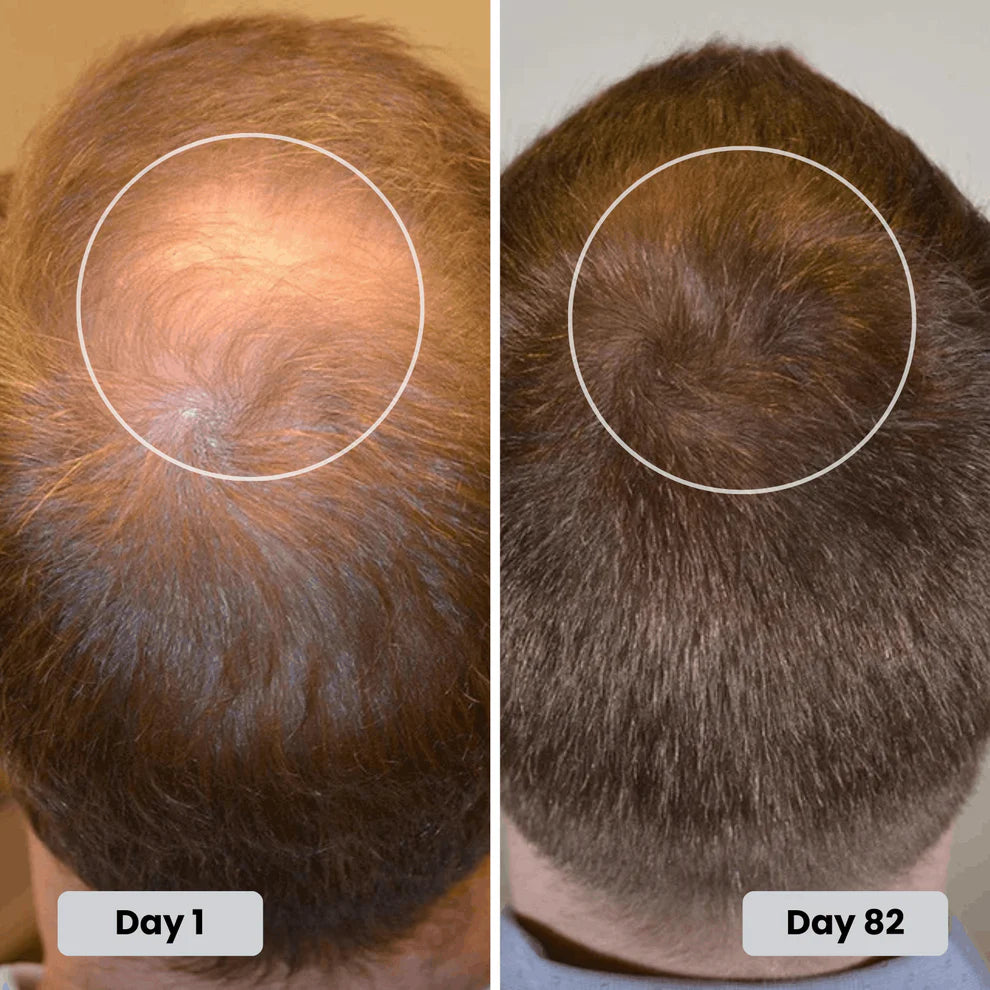
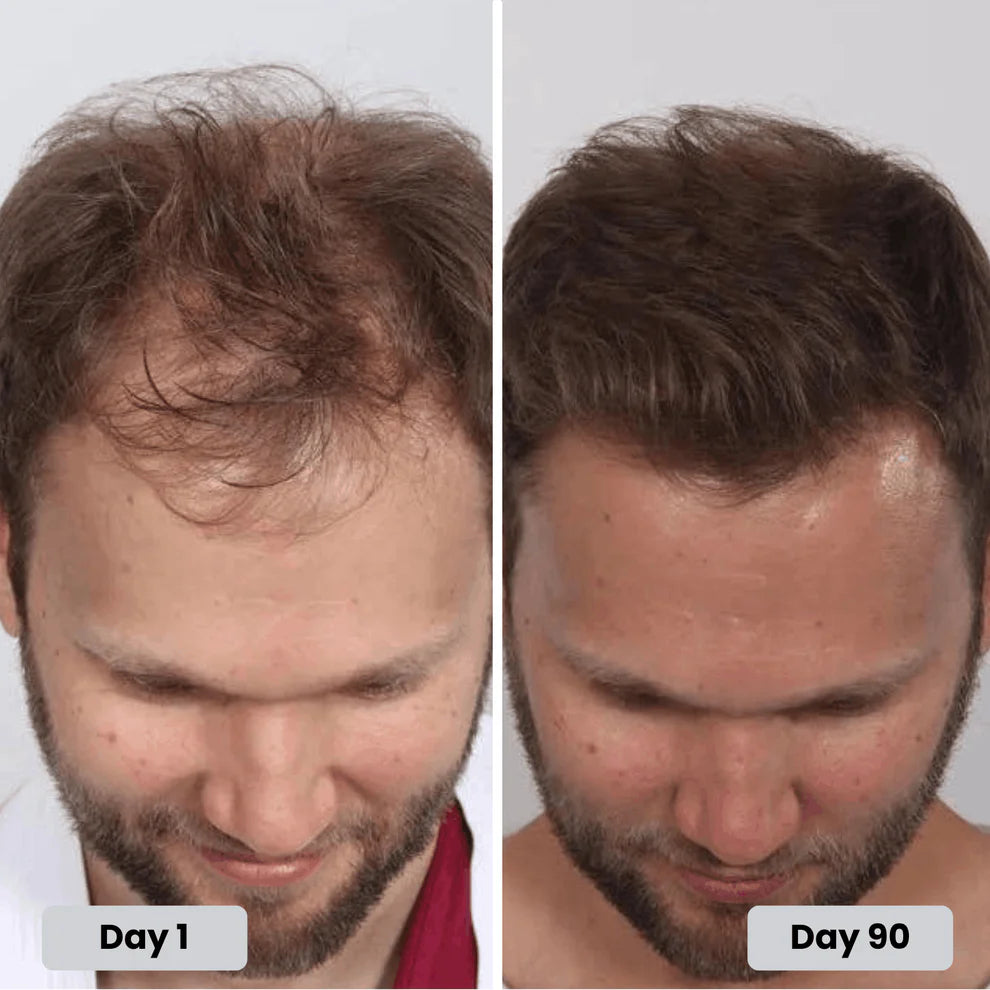
How to use it (this is important):
- Put the cap on like a normal hat
- Press the button — that's it
- Wear it for 30 minutes, 3-4 times per week
- Read, work, drive, eat — do whatever you'd normally do
- Cap auto-shuts off at 30 minutes. Recharge once a week.
No pills. No goop. No clinic. No twice-daily reminders.
Why this works when Minoxidil and Finasteride don't:
When you apply Minoxidil, it has to soak through your scalp, get absorbed into your bloodstream, and reach the follicle. That's why it has to be applied twice a day, why it makes your hair greasy, and why most guys quit within a year. The number-one reason Minoxidil "doesn't work" isn't because it doesn't work — it's because nobody actually uses it long enough.
When you take Finasteride, the drug travels through your entire system. It works by blocking DHT — which is great for your hair, and complicated for the other parts of your body that rely on the same hormone pathway.
Lumira is different.
It's red light therapy at 650 nanometers — a wavelength that's been studied in dermatology since the 1960s and FDA-cleared for hair loss for over a decade. The light is absorbed directly by the cells around your hair follicles. In men with hereditary thinning, it appears to extend the growth phase of the hair cycle and reduce the number of follicles in the shedding phase.
In plain English: less shedding first. Then, over time, fuller-looking density.
Nothing absorbed into your bloodstream. No twice-a-day routine. No side effects.
The catch — and there is one — is that it requires consistency. Three times a week for at least 4-6 months. The guys who use it twice and quit don't see results. The guys who actually stick with it do.
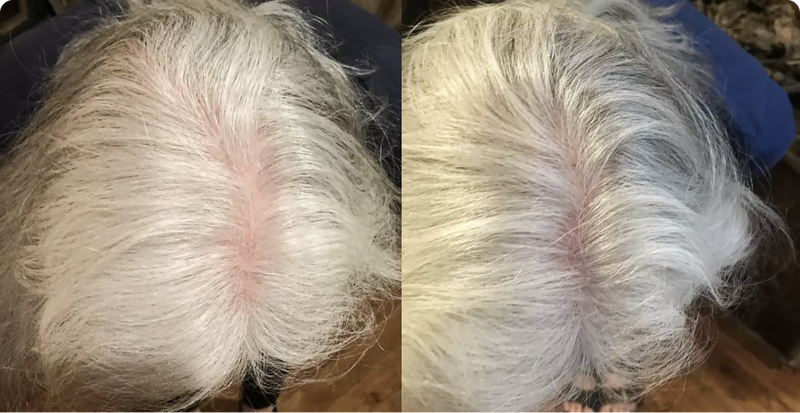
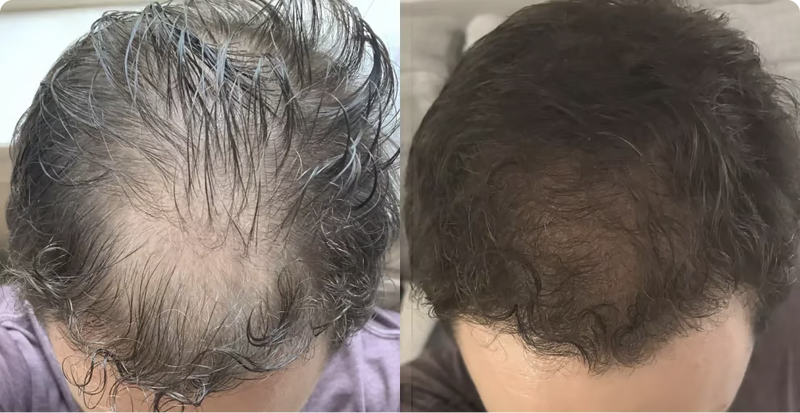
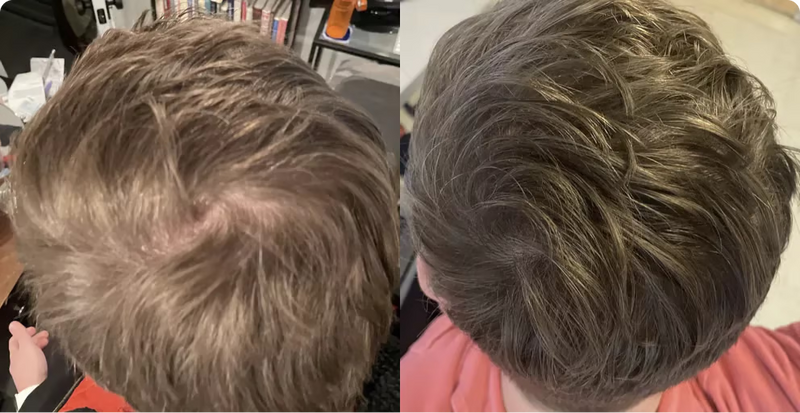
What other guys are saying:
What's inside the cap (medical-grade, no gimmicks)
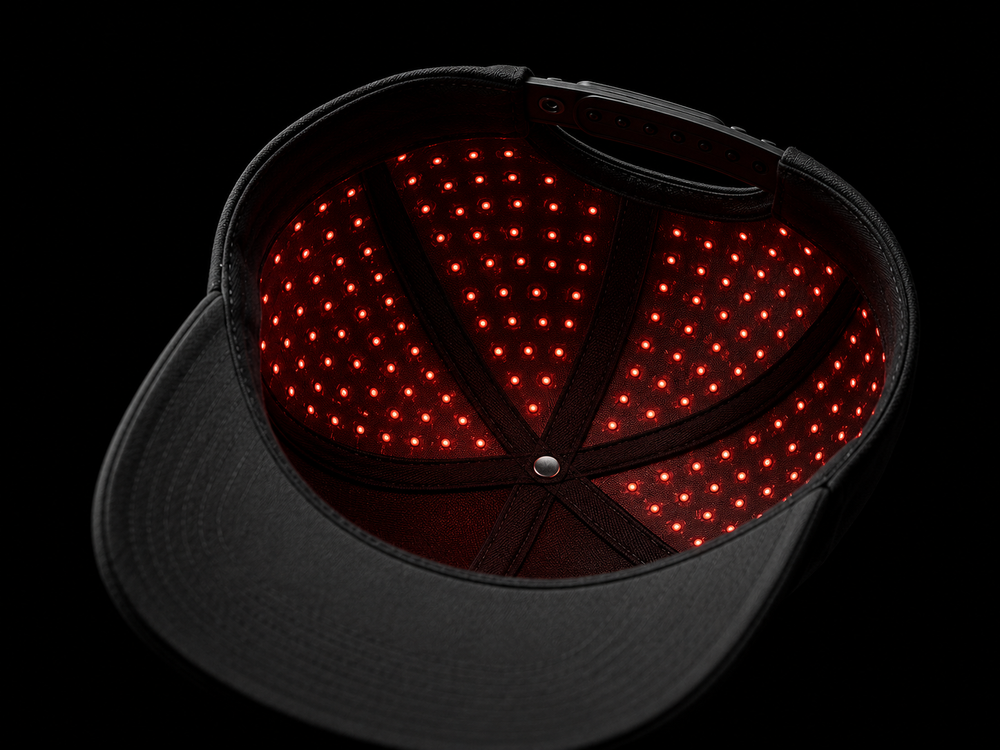
- 272 Medical-Grade Red Light Diodes — clinical-strength, not gimmick LEDs
- 650nm Wavelength — the most-studied frequency for hair growth in published dermatology research
- FDA-Cleared Technology — same regulatory clearance as the $1,500 clinical caps
- Rechargeable Lithium Battery — USB-C, full charge lasts ~5 sessions
- Lightweight ABS Housing — under 1 lb, fits like a hat, not a helmet
- Adjustable Inner Band — one size, fits any head
- Pre-Programmed 30-Minute Timer — auto-shutoff, so you can't overuse or forget
- 2-Year Warranty — on every cap
Frequently asked questions
Lumira Cap + Free Bonuses — Save $79
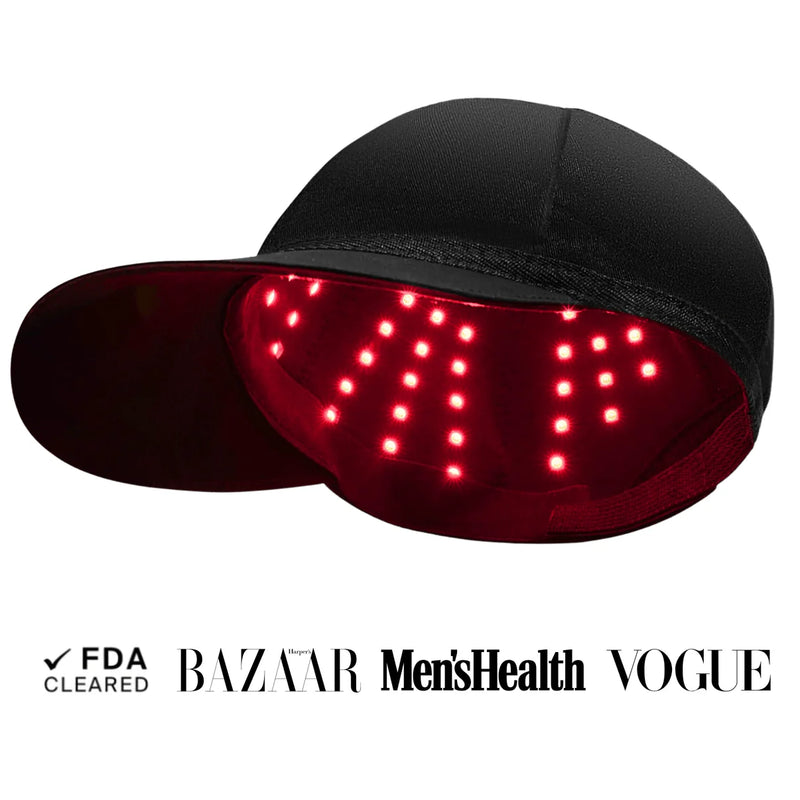
- 272 medical-grade red light diodes
- FDA-cleared 650nm wavelength
- 7-Month Money-Back Guarantee
- 2-Year Warranty + Lifetime Support
- Free Shipping on Orders Over $75
- No drugs, no prescription, no clinic
My final thought:
I'm not a doctor. I'm not a hair surgeon. I'm not getting paid to write this.
I'm just a 33-year-old guy who spent two years feeling his hair — and his confidence — quietly leak out of his life. Wearing hats indoors. Avoiding photos. Checking his hairline in the toaster reflection like a maniac.
If you're reading this at 2AM because you can't sleep, because you saw your crown in a flash photo last weekend, because you sat at your kitchen table with a Finasteride prescription you couldn't bring yourself to fill —
Try it.
You have 7 months. You have a full money-back guarantee. You literally cannot lose money trying this.
And you might just stop thinking about your hair every time you walk past a mirror.